Wholesale Bike Helmet Suppliers: helmets with certifications that actually hold up in your market.
Wholesale bike helmet suppliers for shops worldwide. We supply wholesale road bike helmets, wholesale mountain bike helmets, wholesale commuter bike helmets and wholesale urban cycling helmets, wholesale kids bike helmets, wholesale full face bike helmets, and NTA 8776 e-bike helmets. Wholesale certified bike helmets to the safety standards that apply to each product and market (such as CE EN 1078, CPSC, AS/NZS 2063, and CPSIA for wholesale kids bike helmets sold in the US), confirmed per SKU with test reports at quote stage. MIPS-equipped wholesale cycling helmets and wholesale cycling safety helmets across the major sub-categories. Wholesale adult bike helmets and wholesale bicycle helmets from 25 units per SKU.
- CE, CPSC, AS/NZS, CPSIA, ASTM test reports confirmed per SKU
- MIPS-equipped wholesale bike helmets
- Wholesale road + MTB + urban + kids + full-face + e-bike helmets
- From 25 units per SKU

What we supply.
Six sub-categories of wholesale bike helmets covering the helmet types your customers ride. Whether you are a bike helmet supplier for bike shops stocking wholesale road bike helmets or a bike helmet supplier for dealers building a wholesale cycling helmets range, the safety standards that apply to each product and market are confirmed per SKU with test reports at quote stage, so you can verify compliance before you order.
Wholesale road bike helmets
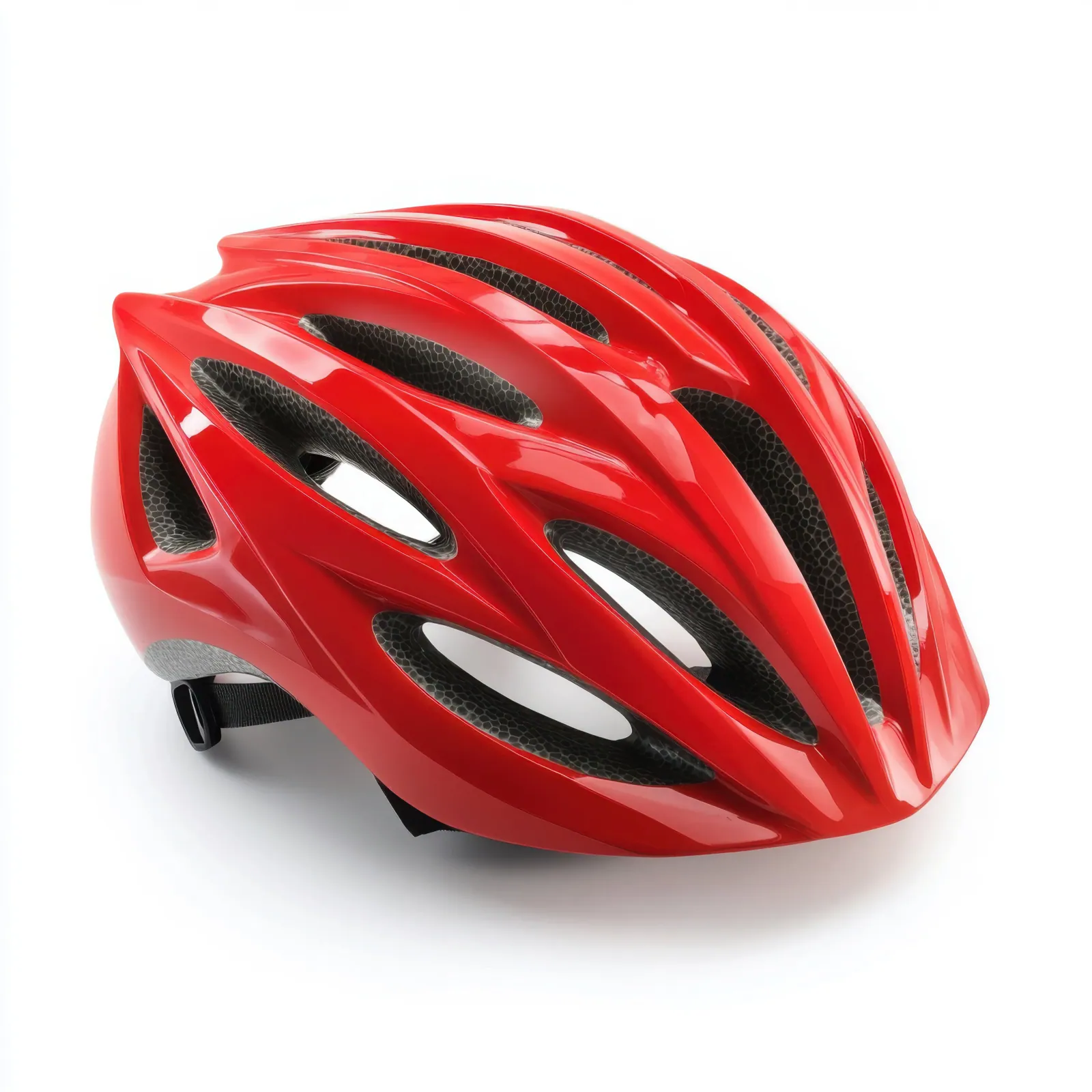
Wholesale aero bike helmets and wholesale ventilated bike helmets · Wholesale lightweight bike helmets with multiple ventilation port designs · Secure-fit retention for high-speed riding · CE EN 1078 (EU), CPSC (US), AS/NZS 2063 (AU/NZ) confirmed per SKU with test reports at quote stage
MIPS-equipped wholesale cycling helmets across the range; standard non-MIPS SKUs at a lower price tier.
Wholesale mountain bike helmets, open-face
Wholesale half shell bike helmets for cross-country, trail, and light-enduro · Extended rear coverage vs road · More aggressive visor designs · Dust ports · CE EN 1078, CPSC, and AS/NZS 2063 confirmed per SKU with test reports at quote stage
MIPS-equipped SKUs across the range. The volume MTB wholesale bike helmet category.
Wholesale commuter bike helmets and wholesale urban cycling helmets
Daily commuting wholesale cycling safety helmets · Magnetic one-handed buckles on many SKUs · Reflective accents · Integrated rear-light mounts on selected SKUs · CPSC (US), CE EN 1078, and dual cycling/skateboard ASTM F1492 confirmed per SKU with test reports at quote stage
Wholesale commuter bike helmets for urban retailers. Dual cycling/skateboard certification, where a SKU carries it, suits riders who use one helmet across multiple activities.
Wholesale kids bike helmets
Sized for children's heads · Adjustable retention for growing heads · Toddler, small-child, and larger-child sizes · CE EN 1078 (EU), CPSC (US), AS/NZS 2063 (AU/NZ) confirmed per SKU with test reports at quote stage
CPSIA plus a General Certificate of Conformity for wholesale kids bike helmets marketed to children under 12 and sold in the US is regulatory-mandatory, not optional; both are confirmed per SKU at quote stage. Wholesale BMX helmets for kids available.
Wholesale full face bike helmets
Downhill, enduro-racing, and aggressive-trail wholesale full face bike helmets · Integrated chin bars · ASTM F1952 (downhill), CE EN 1078, CPSC, and market-specific standards confirmed per SKU with test reports at quote stage
Significantly more protection than wholesale half shell bike helmets. Heavier than open-face; the trade-off is significant additional protection in the impact scenarios these are designed for.
NTA 8776 speed pedelec helmets
Wholesale certified bike helmets for Dutch speed pedelecs and fast e-bikes exceeding 25 km/h · Heavier construction and additional coverage vs EN 1078
Mandatory in the Netherlands for the speed pedelec category and increasingly recognized across the EU for similar e-bike categories.
A B2B bike helmet supplier with certifications tied to documentation, not marketing.
Safety standards and test reports confirmed per SKU
Every wholesale bike helmet SKU is quoted against the safety standards that apply to that product and your market, confirmed with test reports at quote stage. As an international bike helmet supplier and global bike helmet supplier, that can mean CE EN 1078 for the EU, CPSC for the US, AS/NZS 2063 for Australia and New Zealand, CPSIA testing plus a General Certificate of Conformity for wholesale kids bike helmets sold in the US, ASTM F1492 for dual-certified wholesale urban cycling helmets, ASTM F1952 for wholesale full face bike helmets, and NTA 8776 for speed pedelec helmets. Your quote names the standards per SKU so you can verify compliance before you order.
Wholesale pricing on a category where margin matters
Direct-from-supplier wholesale bike helmet prices on a category where retail margin is structurally strong. Wholesale cycling helmets carry good margin because customers shop on safety credentials, brand, and fit, not primarily on price. Tier pricing improves as your volume grows.
MIPS-equipped wholesale bike helmets, licensing confirmed per SKU
MIPS-equipped wholesale cycling helmets across wholesale road bike helmets, wholesale mountain bike helmets, wholesale commuter bike helmets, and wholesale kids bike helmets. MIPS (Multi-directional Impact Protection System) is the most broadly recognized rotational-impact technology, licensed from Mips AB; the manufacturer’s licence is confirmed per SKU at quote stage. For bike helmet wholesalers and bike helmet distributors, MIPS licensing verification matters. Standard non-MIPS helmets are available at lower price tiers across the same sub-categories.
Compliance support for your market's requirements
Helmet certifications vary meaningfully by market. We provide market-specific compliance support: confirming the certifications your customers’ market requires, supplying documentation for customs and regulatory verification, and flagging when a specific wholesale bike helmet SKU’s certification stack matches or does not match your target market. For a bike helmet supplier for retailers, the quote stage handles this routing.
Branded helmets, honestly limited to where the safety credibility allows it.
Custom bike helmets wholesale and private label bike helmets face real commercial and operational constraints, and the honest framing matters more than the optimistic one. Wholesale bike helmets are safety equipment subject to formal certification, product-liability exposure, and customer trust built around brand credibility for impact protection. A launch-stage private-label helmet at the premium MIPS-equipped tier struggles to carry the same safety credibility that established brands have built over years of impact testing, customer support, and warranty handling.
Where private label is viable: entry-level wholesale adult bike helmets without MIPS, basic wholesale kids bike helmets, and wholesale commuter bike helmets where brand credibility is less central to the buying decision. We can extend custom bike helmets wholesale across these categories at 25 units per SKU, with 3-week sample turnaround and 2–3 months from sample sign-off, plus the time required for certification testing on private-label SKUs, which can add 4–6 weeks to total lead time depending on the certifications required. Where private label is more limited: premium MIPS-equipped wholesale road bike helmets, wholesale full face bike helmets, and NTA 8776 speed pedelec helmets, buyers shop these on brand safety credibility, and a launch-stage private-label range can’t replicate that quickly. Custom branding for cycling clubs, charity rides, and corporate accounts on existing certified wholesale bike helmets (adding logos or graphics to the existing certified construction) is operationally ready; this differs from full private-label development.
Enquire about private-label helmetsSpecs that determine whether a wholesale bike helmet meets your market's requirements.
Helmets are evaluated on a more technical and regulatory specification set than any other cycling accessory, because the certification stack determines what can legally be sold in each market and the impact-protection design determines real-world safety performance. The specs that matter:
CE EN 1078, European cycling helmet standard
CE EN 1078 is the European standard for cycling helmets used on public roads. It tests impact attenuation, retention-system strength, and field of vision. Certification is required for wholesale bike helmets sold in the European Union and is widely recognized as a baseline international standard. Our wholesale road bike helmets, wholesale mountain bike helmets, wholesale commuter bike helmets, wholesale kids bike helmets, and applicable wholesale full face bike helmets are quoted with CE EN 1078 certification confirmed per SKU with test reports at quote stage.
CPSC 16 CFR Part 1203, US cycling helmet standard
CPSC (Consumer Product Safety Commission) standard 16 CFR Part 1203 is the US federal standard for wholesale bicycle helmets. CPSC certification is required for any wholesale bike helmet sold in the United States; selling non-CPSC-certified wholesale bicycle helmets in the US is a federal regulatory violation. CPSC tests differ from CE EN 1078 in specific parameters, which is why some helmets carry both certifications and some carry only one. For US buyers, CPSC certification is confirmed per SKU with test reports at quote stage.
AS/NZS 2063, Australian and New Zealand cycling helmet standard
AS/NZS 2063 is mandatory for wholesale bike helmets sold in Australia and New Zealand; selling helmets without this certification in those markets is regulatory non-compliance. The standard tests impact attenuation and retention with parameters tuned to local conditions and use patterns. The quote stage confirms which SKUs carry AS/NZS 2063 certification, with test reports; wholesale certified bike helmets without AS/NZS 2063 should not ship to the Australian and New Zealand markets for resale.
CPSIA and General Certificate of Conformity for wholesale kids bike helmets in the US
Any wholesale kids bike helmets marketed for children under 12 and sold in the US are subject to CPSIA (Consumer Product Safety Improvement Act) testing plus a General Certificate of Conformity. This is in addition to CPSC certification, not a substitute for it. CPSIA testing covers lead content, phthalates, and other chemical-safety requirements specific to products for children. The GCC must be issued by the manufacturer or importer and accompany the products through the distribution chain. For wholesale kids bike helmets sold in the US, CPSIA test reports and the General Certificate of Conformity are confirmed per SKU at quote stage, before you order.
ASTM F1492, skateboard helmet standard for dual-certified wholesale urban cycling helmets
ASTM F1492 is the US standard for skateboard helmets, which addresses different impact scenarios than cycling helmets (more multiple-impact protection, because skateboard falls often involve repeated head impacts in a single incident). Some wholesale commuter bike helmets and wholesale urban cycling helmets are dual-certified to both CPSC (for cycling) and ASTM F1492 (for skateboard use), serving multi-sport customers who use one helmet across cycling and skateboarding. Dual certification is confirmed per SKU with test reports at quote stage because it is a buyer-evaluated feature for urban shops.
ASTM F1952, downhill MTB helmet standard for wholesale full face bike helmets
ASTM F1952 is the US standard for downhill mountain-biking helmets, addressing the higher-speed impact scenarios wholesale full face bike helmets are designed for. Full-face MTB helmets sold in the US for downhill use typically carry both CPSC certification (for general cycling) and ASTM F1952 (for downhill-specific use). The quote stage confirms the certification stack of each wholesale full face bike helmet SKU for your target market, with test reports.
NTA 8776, Dutch standard for speed pedelec helmets
NTA 8776 is the Dutch certification standard for helmets used on speed pedelecs and fast e-bikes that exceed 25 km/h. It tests impact protection at higher speeds than EN 1078 addresses, reflecting the higher-speed riding profile of speed pedelecs. NTA 8776 helmets are heavier and provide more coverage than standard EN 1078 cycling helmets. The standard is mandatory in the Netherlands for the speed pedelec category and increasingly required or recommended across the EU for similar e-bike categories. NTA 8776 certification is confirmed per SKU with test reports at quote stage.
MIPS, Multi-directional Impact Protection System
MIPS is a low-friction rotational-impact layer inside the helmet that allows the outer shell to rotate slightly relative to the head during an angled impact. The design objective is to reduce rotational forces transferred to the brain during impacts that aren’t perfectly perpendicular, which is the majority of real-world cycling crashes. MIPS is a licensed technology from Mips AB in Sweden; manufacturers must hold a licensing agreement to make MIPS-equipped helmets, and the MIPS logo and yellow inner liner are trademark-protected. We quote MIPS-equipped wholesale bike helmets only where the manufacturer’s Mips AB licence is confirmed, with licensing documentation provided at quote stage. MIPS-equipped wholesale cycling helmets are available across wholesale road bike helmets, wholesale mountain bike helmets, wholesale commuter bike helmets, and wholesale kids bike helmets, with standard non-MIPS wholesale cycling helmets at a lower price tier and a price differential that typically runs 15 to 25%.
Standard non-MIPS helmets
Non-MIPS helmets at the lower price tier are held to the same market safety standards (such as CE EN 1078, CPSC, AS/NZS 2063, confirmed per SKU) but without the rotational-impact technology layer. They remain certified safety equipment and are appropriate for many use cases; the MIPS layer adds additional rotational protection for buyers who specify it. The price differential between MIPS and non-MIPS SKUs typically runs 15–25% depending on the helmet category and trim level.
Helmet sizing, head circumference measurements
Wholesale adult bike helmets are sized by head circumference in centimetres: small (typically 51–55cm), medium (typically 55–59cm), large (typically 59–63cm), with variations by manufacturer. Wholesale kids bike helmets use smaller ranges (typically 46–52cm for toddler, 52–56cm for small child, 54–58cm for larger child). Fit is critical for protection, a too-loose helmet shifts during impact and provides reduced protection; a too-tight helmet causes discomfort that leads customers to wear it less. Sizing is named per wholesale bike helmet SKU with head-circumference ranges.
Helmet retention systems
Retention systems (the dial or strap mechanism at the rear that adjusts fit) vary across helmets. Common systems: Boa-style dial retention (continuous fine adjustment), simple dial retention (clicked adjustment positions), and strap-only retention (fit by strap tension alone). Higher-trim helmets typically use Boa-style or sophisticated dial retention; entry-level helmets use simpler systems. Magnetic chinstrap buckles (Fidlock and similar) are common on wholesale commuter bike helmets and premium SKUs, replacing traditional plastic snap buckles. Retention system is named per SKU.
Ventilation and the impact-protection trade-off
Helmet ventilation reduces weight and improves cooling during high-effort riding. More ventilation typically means less material in the shell, which can affect impact protection. Modern helmet design balances ventilation and protection through carefully positioned vents that don’t compromise the structural integrity of the impact-absorbing foam. We name vent count and approximate ventilation level per SKU.
EPS (expanded polystyrene) foam, the impact-absorbing core
Cycling helmets use EPS foam as the impact-absorbing core. EPS compresses on impact, absorbing energy and reducing the force transferred to the head. EPS is single-use, once compressed by impact it doesn’t recover, which is why helmets must be replaced after any meaningful impact even when no visible damage is present. Higher-density EPS (used in performance helmets) compresses less per impact; lower-density EPS (used in some entry-level helmets) compresses more easily but may not perform as well in high-severity impacts.
Helmet weight ranges by category
Weight matters for rider comfort over long rides. Typical ranges: wholesale road bike helmets 200–300g, wholesale mountain bike helmets 280–380g, wholesale commuter bike helmets 280–400g, wholesale kids bike helmets 200–280g, wholesale full face bike helmets 700–1,400g (significantly heavier due to the chin bar), and NTA 8776 speed pedelec helmets 350–500g (heavier than standard cycling helmets due to additional impact protection). Wholesale lightweight bike helmets sit at the lower end of each range. Weight is named per SKU.
Visor systems on MTB and urban helmets
MTB and urban helmets typically include sun visors that shield the rider’s eyes from sun and rain. Visors are usually detachable for cleaning or replacement. Some are adjustable for angle; others are fixed. The visor system is named per SKU.
Specialty time-trial and triathlon aerodynamic helmets are limited at launch, the supplier base is narrower and the buyer audience smaller than the volume wholesale bike helmet sub-categories. Helmets with integrated cameras (action-camera helmets) are outside scope at launch. Smart helmets with Bluetooth connectivity, integrated lights with wiring, or app integration are outside scope. Helmets meeting specialty industrial safety standards (construction work helmets, motorcycle helmets) are outside scope, different product categories with different certification frameworks.
Wholesale bike helmets ship bulky and need specific packing to preserve EPS foam.
Freight: bulky but lightweight
Wholesale bike helmets ship larger per box than most cycling accessories while staying light for their volume. Helmet boxes need internal structure to keep the helmet shape during shipping, a crumpled box can compress the EPS foam without visible exterior damage, which compromises the helmet’s protective function. Per-SKU freight is moderate; small reorders move by parcel courier with appropriate protective packing, larger orders by pallet. For bike helmet distributors ordering bulk bike helmets, freight is transparently quoted, and combining helmet orders with other accessory orders typically reduces overall freight cost when shipments consolidate, with pallet capability confirmed at the quote stage per shipment depending on volume.
Packing preserves helmet shape and foam integrity
Wholesale bike helmets ship in retail-ready packaging where they’re sold through to end customers (boxed with the helmet, owner’s manual, certification-documentation summary, and warranty card). The packaging is sized to maintain the helmet’s shape and protect the EPS foam during shipping. Workshop-bulk packing is available for shops with display setups, but the protective requirements remain the same, helmets shipping in workshop-bulk packs ship in protective inner trays to prevent compression damage. A crumpled box can compromise the foam without visible exterior damage.
Fitting is the most safety-critical accessory installation
Helmet fitting at the customer level is the most safety-critical accessory installation. Workshop staff should verify head-circumference measurement (a flexible tape at the largest part of the head, typically just above the eyebrows and around the back), match it to the helmet’s size range, verify retention-system adjustment, and confirm the chinstrap buckle is positioned and tensioned correctly. Helmet replacement after impact is a critical customer communication, any helmet involved in a crash, even a low-severity one without visible damage, should be replaced because the EPS foam has compressed and lost protective function. We supply customer-facing materials explaining helmet replacement after impact for shops that want to include them with sales.
Tell us what your shop needs.
We'll come back within 2 business days, Mon–Fri with honest numbers: unit cost at your volume, MOQ per SKU, lead time, freight estimate, and certification verification for your target market, including MIPS licensing confirmation where applicable. No generic wholesale bike helmet prices; every quote reflects your volume, destination, and certification requirements.
From quote to delivery.
- 1
You enquire
Quote request submitted with your shop type, sub-categories of interest, MIPS preference, and the target market certifications your customers require.
- 2
We reply with real numbers and certification confirmation
Within 2 business days, Mon–Fri: unit cost at your volume, MOQ per SKU, lead time, freight estimate, market-specific certification confirmation for every SKU in your inquiry, and MIPS licensing verification for MIPS-equipped SKUs. Your quote is your wholesale bike helmet catalog and bicycle helmet wholesale catalog for that order.
- 3
Test reports confirmed per SKU
The safety standards that apply to each SKU and your market are confirmed with test reports at quote stage, before order commitment, so your compliance team can verify: for example CE EN 1078, CPSC, AS/NZS 2063, CPSIA and the GCC for wholesale kids bike helmets sold in the US, ASTM F1492 for dual-certified urban helmets, ASTM F1952 for full-face MTB, and NTA 8776 for speed pedelec helmets.
- 4
Sample if private label or first stocking
Approve physical samples before any full production run for custom bike helmets wholesale or private label bike helmets, including the additional time for certification testing on private-label SKUs. Sample SKUs from the catalog if you’re stocking a new range and want to verify fit, retention system, ventilation, and weight before committing. Nothing goes to a run until you sign off.
- 5
Order, deposit, production or pick
Order confirmed. Stock catalog items dispatch from our supplier on the agreed schedule. Private label runs to the confirmed production lead time plus certification-testing time where applicable. We keep you updated on every order by email or WhatsApp.
- 6
Freight, customs, delivery
Shipped on agreed Incoterms with the documentation confirmed at quote stage supplied for your customs clearance. Small reorders by parcel courier with protective packing; larger orders by pallet.
What buyers actually ask about wholesale bike helmets.
What certifications do your wholesale bike helmets carry?
We supply wholesale bike helmets to the safety standards that apply to each product and market, confirmed per SKU with test reports at quote stage. Depending on the market, that can mean CE EN 1078 for European markets, CPSC for the US, AS/NZS 2063 for Australia and New Zealand, CPSIA testing plus a General Certificate of Conformity for wholesale kids bike helmets sold in the US, ASTM F1492 for dual-certified urban/skateboard helmets, ASTM F1952 for full-face downhill MTB helmets, and NTA 8776 for the Dutch speed pedelec market. Your quote names the certification stack per SKU so you can verify compliance before you order.
Are your MIPS-equipped wholesale bike helmets manufactured under licensed agreement?
They must be. MIPS is a trademarked technology from Mips AB in Sweden; manufacturers must hold licensing agreements to produce MIPS-equipped helmets. We quote MIPS-equipped SKUs only where the manufacturer’s licence is confirmed, with licensing documentation provided at quote stage. This is a critical verification point because non-licensed "MIPS-like" technology marketed as MIPS would be trademark infringement.
Do wholesale kids bike helmets sold in the US carry CPSIA and General Certificates of Conformity?
They must, and it is regulatory-mandatory rather than optional. Any cycling helmet marketed for children under 12 sold in the US must carry CPSIA testing (for lead content, phthalates, and other chemical-safety requirements) plus a General Certificate of Conformity issued by the manufacturer or importer. For wholesale kids bike helmets sold in the US, CPSIA test reports and the General Certificate of Conformity are confirmed per SKU at quote stage, before you order.
Can I sell your wholesale bike helmets in Australia or New Zealand?
Only if the specific SKU carries AS/NZS 2063 certification. Selling non-certified wholesale bicycle helmets in Australia and New Zealand is regulatory non-compliance. The quote stage confirms which SKUs in your inquiry are certified for these markets; SKUs without AS/NZS 2063 certification should not ship to Australia or New Zealand for resale.
Do you supply helmets for the Dutch speed pedelec market?
Yes. NTA 8776 helmets are supplied for the Dutch speed pedelec market and similar fast e-bike categories, with certification confirmed per SKU with test reports at quote stage. NTA 8776 helmets are heavier and provide more impact protection than standard EN 1078 helmets, reflecting the higher speeds they’re designed for. They are mandatory in the Netherlands for speed pedelec use.
What is the difference between CE EN 1078 and CPSC?
Both are cycling helmet safety standards, but they test slightly different impact scenarios with different parameters. CE EN 1078 is the European standard; CPSC is the US federal standard. A helmet can be certified to one, both, or neither. Some helmets are certified only to CE EN 1078 (and can't be sold legally in the US for cycling use); some only to CPSC (and may not meet European market requirements). For buyers serving multiple markets, the quote confirms which wholesale cycling helmet SKUs are certified to both standards, with test reports.
Do you supply full-face MTB helmets for downhill and enduro use?
Yes. Full-face MTB helmets at the downhill and enduro tier are quoted with the certification stack that applies, typically CPSC, CE EN 1078, and ASTM F1952, confirmed per SKU with test reports at quote stage. They’re significantly heavier than open-face MTB helmets but provide the additional protection that downhill and aggressive enduro riding require.
Do you supply MIPS-equipped wholesale bike helmets across all sub-categories?
MIPS-equipped wholesale cycling helmets are available across wholesale road bike helmets, wholesale mountain bike helmets, wholesale commuter bike helmets, and wholesale kids bike helmets. Wholesale full face bike helmets and NTA 8776 speed pedelec helmets typically include their own rotational-impact features (some carrying MIPS, others using manufacturer-specific systems); MIPS availability on these sub-categories is confirmed per SKU at the quote stage.
Do you supply wholesale BMX helmets?
Yes. Wholesale BMX helmets are available as wholesale half shell bike helmets in both adult and kids sizing, and some are dual-certified CPSC + ASTM F1492 for combined cycling and skateboard use. The certification stack is confirmed per SKU at the quote stage.
What is the warranty on wholesale bike helmets?
Manufacturing-defect coverage on the shell, EPS foam, retention system, and straps for 2 years. Impact-damaged helmets are not covered. The honest reality: wholesale bike helmets involved in any crash or significant impact should be replaced regardless of warranty status, once EPS foam has been compressed by impact, the helmet’s protective function is reduced even if no visible damage is present. Crash damage is not a warranty issue; it’s a replacement scenario.
How long does helmet EPS foam last?
EPS doesn’t degrade significantly under normal use, but extreme UV exposure, extreme temperatures, and chemical exposure (some cleaning products, hair products) can degrade it over time. The general guidance most helmet brands give is to replace wholesale cycling helmets every 3–5 years even without crash damage, due to material aging and the cumulative effect of minor impacts. Customer-facing replacement guidance is supplied with helmet sales for shops that want to include it.
Do you supply replacement helmet straps and padding for warranty service?
Yes. Replacement straps, retention-system parts, and interior padding are available as separate consumables for warranty service work where supplier policy supports it. Note: crash-damaged wholesale bike helmets shouldn’t be repaired with replacement parts; they should be replaced entirely because the EPS foam has lost protective function.
Can you supply custom bike helmets wholesale for cycling clubs and corporate accounts?
Yes, with one important distinction. Custom branding on our existing wholesale certified bike helmets (adding shop or event logos, custom paint, or graphics to helmets that already carry the certification stack) is straightforward and operationally ready. Full private-label helmet development (designing a new helmet from scratch and putting it through certification testing) is a longer process: a 3-week sample turnaround, plus 4–6 weeks for certification testing, plus 2–3 months from sample sign-off for production. We handle both paths; the quote stage confirms which fits your situation.
Can you supply a starter wholesale bike helmet inventory?
Yes. The quote stage confirms a starter inventory based on your shop’s target customer mix (wholesale road bike helmets, wholesale mountain bike helmets, wholesale commuter bike helmets, wholesale kids bike helmets, multi-category) and the certifications your market requires.
Do you supply specialty time-trial or triathlon aerodynamic helmets?
Limited at launch. Specialty TT and triathlon helmets have a narrower supplier base; selected SKUs may be available with confirmation per quote.
Do you supply smart helmets with Bluetooth or integrated lighting?
Not at launch. Smart helmets with connectivity features require engineering and warranty depth beyond what we can supply at launch volumes. Some of our urban helmets include integrated rear-light mount points (allowing the customer to add a light), but full integrated electronic systems are outside scope.
What is the MOQ for wholesale bike helmets?
25 units per SKU across wholesale cycling helmets. Custom bike helmets wholesale and private label bike helmets from 25 units per SKU plus certification testing time. Confirmed per category at the quote stage.
How do I open a bike helmet wholesale account?
Two paths. Single-category quotes do not require an account. Apply for a bike helmet wholesale account when you want ongoing supply, access to the full wholesale bike helmet catalog, tier pricing, and test reports confirmed per SKU. The application takes 2 business days, Mon–Fri to process.
Do you offer a wholesale bike helmet catalog?
We do not publish a static wholesale bike helmet catalog or bicycle helmet wholesale catalog with fixed prices because wholesale bike helmet prices vary by volume, destination, certification stack, and MIPS specification. Your quote is your catalog.
Can I get custom bike helmets wholesale or private label bike helmets?
Yes, with honest constraints. Private label bike helmets work across entry-level wholesale adult bike helmets, basic wholesale kids bike helmets, and wholesale commuter bike helmets. Premium MIPS-equipped wholesale road bike helmets, wholesale full face bike helmets, and NTA 8776 helmets are limited for private label because buyers shop those on brand safety credibility. Custom bike helmets wholesale carry 3-week sample turnaround, 2–3 months from sample sign-off, plus 4–6 weeks certification testing.
Stock the categories that pair with wholesale bike helmets.
The cross-link pattern here is the genuine attachment pattern for helmet buyers, the broader kit, the protective complements, and the integrated-mount accessories, not generic accessory upsell.
Ready to source wholesale bike helmets with the certification stack your market requires?
CE, CPSC, AS/NZS, CPSIA, ASTM, and NTA 8776 standards confirmed per SKU and market across wholesale road bike helmets, wholesale mountain bike helmets, wholesale commuter bike helmets, wholesale kids bike helmets, wholesale full face bike helmets, and e-bike categories. MIPS-equipped wholesale cycling helmets with Mips AB licensing confirmed per SKU. Wholesale certified bike helmets with test reports confirmed at quote stage for compliance verification. Reply within 2 business days, Mon–Fri.